So you thought hermit crabs were a low-maintenance pet? Let me guess-you seen them at some beach side shop and they had the cutest little shells with sharks or flowers on it. Maybe you thought that they just chill in that wire cage that you bought them in with that nasty ass sponge and that total meal replacement food that you bought along with them via 2005?
Oh, sweet summer child… welcome to the truth.

If you’ve ever watched Crab Central Station, you know hermit crabs are basically tiny, exoskeleton-clad divas with very specific demands or they can straight up eat each other. If you don’t meet their standards, they’ll either die dramatically or molt in protest under a coconut hut and never come back. Let’s get into the real requirements for your crustacean kingdom.
Bigger Isn’t Just Better—It’s Mandatory
Here’s the cold, salty truth: Those cages that you purchase these critter keepers in are basically crab coffins in neon colors. Here is what you need to get as soon as possible or even better, before, you get your crustation:
First off, it is ten gallons per crab. So if you have two crabs you need…..twenty gallon tank. Yep. However, I have a fifty gallon tank for two crabs and it still doesn’t seem big enough once you have everything else they need in there to thrive. Like this one:
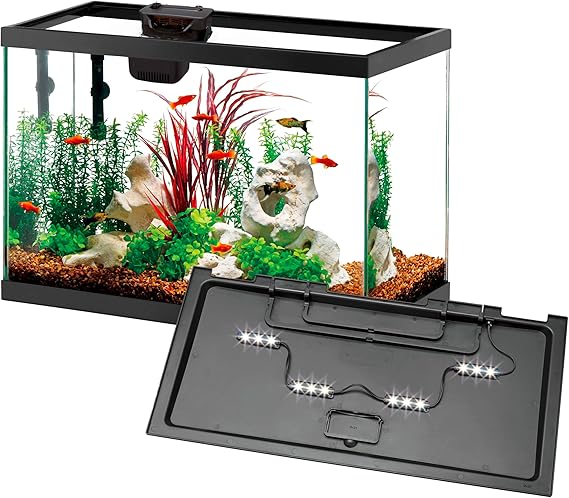
Like this one. If you get a tank with wire on the top, which is very common especially if you get it off Facebook market place or something like that–then you will have to go to Lowes and get them to cut plexiglass on top to keep the heat and humidity in the tank.
AND you also have to consider what kind of hermit crabs you get. Most of the time they will be purple pinchers but you really need to do your research because different species need different tank demands.
So…why do they have to be so demanding? Well, your little tank buddies are nocturnal and very active at night. Hey climb, dig, redecorate, fight over shells, hold secret molting ceremonies—they need space. More space = more enrichment, less stress, and fewer crusty squabbles.
Pro Tip: Always go bigger than you think.
Crab math is like plant math: if you have one now, you’ll have six later.
(Don’t ask how, it just happens.)
Substrate: The Ecoearth to Sandcastle of Survival
Okay, now you bought the tank…which you cleaned with a water and vinegar mix, rinse thoroughly, rinsed again with Seachem Prime water, and allow it to dry completely. Now you need six inches… at least.

You need at least 6 inches of equal parts of play sand and coconut fiber (Eco Earth). When I say play sand, do not get that stuff that has has calcium and other stuff added. They just need natural play sand. And the Eco Earth needs to be organic as well. I told you…they are crusty dusty divas. Their lives literally depends on ensuring they can burrow and molt in peace.
No aquarium gravel. No colored pebbles. No crushed hopes and dreams. They need to dig, not do CrossFit.
Let them build their molting bunker in peace.
Molting Privacy: Do Not Disturb
Your crab may bury itself for weeks or months. This is normal. It’s not dead. It’s molting. Leave it alone. Resist the urge to dig it up like a toddler with a sandbox addiction that wanted to see if their toy turned into treasure.
Crab Central Station PSA: If you disturb a molting crab, you may literally cause its death.
Let’s talk molting, aka the crustacean version of shedding last season’s look and stepping into something bigger, shinier, and more fabulous. This glow-up process—scientifically called ecdysis—is essential for your hermit crab’s survival and if it if done right, your crab’s shell is an even more vibrant color than the last. It’s a whole dramatic event that can take weeks or even months. And yes, it involves digging, disappearing, and cannibalizing their own exoskeleton and poop like it’s a post-molt power snack.
Let’s break it down like it’s reality TV:

Premolt: The Pre-Glow-Up Routine
Before the big makeover, your crab will act weird:
- Eating and drinking like it’s crab Thanksgiving
- Getting real lazy and sluggish
- Their exo-skeloton is looking dull or lifeless
- Digging deeper than your ex’s emotional issues
- Splashing around in their water bowls like they have cotton mouth
Basically: if your crab is suddenly acting like it’s going into hibernation and hoarding snacks? Molting is coming.

The Actual Molt: Extreme Makeover, Exoskeleton Edition
When the time is right, your crab buries itself in the sand sand and starts the transformation.
- It builds internal pressure (because of course it does—it’s dramatic) to crack open the old exoskeleton like a glow stick.
- The actual pop-and-peel can be fast, but…
- The full molt takes time—days, weeks, sometimes longer—because hardening the new exoskeleton isn’t instant.

Postmolt: Kind of a Mess
Right after the molt, your crab is weirdly delicate—think trust issues more than normal.
- They’ll usually eat their old shell suit like a crusty protein shake. It’s gross, but it’s full of calcium, and they need it.
- You may not see them for a while. That’s fine. They’re healing, hydrating, and ignoring your need for validation.
Let. Them. Be.
Molting Rules You Do NOT Break
This isn’t optional. This is the gospel of crustacean care:
- DO NOT dig them up. I don’t care if it’s been two weeks. I don’t care if you “just want to check.” They will haunt your conscience forever.
- Substrate must be deep and moist—we’re talking at least 6 inches and sandcastle consistantcy. If you can’t build a tiny sandcastle then they can form a attention resistant bubble.
- Offer calcium-rich foods like cuttlebone, oyster shells, or crushed eggshells (washed, obviously).
- Keep fresh and saltwater available at all times—they use it for hydration and bathing.
- ⚠️ Surface molting is not normal. If your crab is doing their glow-up above ground, something’s wrong. Check your tank setup. They’re basically waving a tiny red flag.

How Often Do They Molt?
- Baby crabs (aka the tiny little gremlins) molt all the time—sometimes every few weeks. Thus you need new shells for them to consistently change into as they grow.
- Adults? Much slower. Sometimes once a year, sometimes three times even. You never know. You just keep putting out fresh grub in hopes they show up each night.
Don’t panic if a crab disappears underground for a month. Unless they’ve borrowed your debit card, it’s probably a molt.
Final Thoughts About the Molt: Respect the Molt
Molting is the hermit crab’s ultimate reset button. It’s stressful, it’s slow, and it’s sacred. Think of it as a crab version of a self-care retreat—with a side of horror movie body transformation where they eat their own skin and poop.
So if your crab is hiding out, acting weird, or ghosting you? Pour yourself a drink, send good vibes, and do not dig. The glow-up is real. Let them live it.
Humidity & Heat: Your Tank Is Basically a Tropical Oasis

Hermit crabs are from the tropics.
- Temperature: 78–82°F.
- Humidity: 75–90%.
If your tank feels like New Orleans in the middle of summer, you’re doing great. If it feels like Arizona on a budget, buy a damn lid and invest in a digital hygrometer—not one of those lying analog dials that will rust out in two weeks. They’re faker than gas station sushi.
Use UTHs (under-tank heaters) on the side of the tank, never the bottom. Unless you’re trying to barbecue your crabs, and that’s a hard no. They should cover at least half your tank if you want to keep it hotter than Satan’s ball sack-which apparently is their favorite temp.
Water: The Two-Bowl Minimum Rule

Your hermits need both fresh and salt water, and yes, they’re picky about it. Bottled tap water will not suffice unless you dechlorinate it with Prime (the water conditioner, not the overpriced sports drink). You can buy it here: Seachem Prime
- Fresh water bowl: Just Prime-treated water.
- Salt water bowl: Add marine-grade salt (not table salt, not pink Himalayan, not whatever you have left from your margarita rim). It needs to be marine grade via Instant Ocean.
- Seachem Prime doesn’t last forever. Most people pre-make their salt water in a gallon jug and use it until it runs out. However, thanks to Crab Central Station, I learned that you have to add more Prime each time you change out the salt water. It only last two days in stored water-so think of it like left overs: if you do not know when you last made it-add more.
They bathe, drink, and poop in these bowls. So yes, they’re gross, but they deserve hydration to their strict standards.
The Shell Shop: Where Crabs Go to Upgrade Duds

You don’t own your hermit crab. Your crab owns you—and at least 5–10 extra shells per crab. Yes…per crab. You best friend is now going to be a vendor from Etsy. Because they have Gucci high standards which include:
- Natural, not painted. (Paint = poison. Poison = crab funeral.)
- Openings should be about 1/8″ to 1/4″ larger than the crab’s current shell opening. To accurately measure a hermit crab’s shell for proper fitting, you should measure the inside of the shell opening at its widest point. Use a ruler to determine the width.
- Offer a variety of sizes, because who doesn’t love options?
If one crab tries to move into every shell at once like a hoarding goblin? Let them. They’re living their truth.
Enrichment: Climb, Hide, Throw Shit Around
Your crab needs stuff to do. Otherwise, it’ll spend all night rearranging the tank like a caffeinated interior designer.
Add:
- Cholla wood
- Cork bark
- Moss pits (for hydration and drama) They eat it. Sleep in it. Poop in it. It also helps with humidity.
- Leaf litter including foraging mix
- Vines and nets to climb- But be careful that if you get the bendy one’s that the metal inside does not rust with the high humidity of the tank.
- Fake plants- But make sure they can’t eat tiny plastic pieces
- Coconut huts are a must
Crab Central Station says: bored crabs are destructive crabs. Keep their minds (and legs) busy. Here is the fun part! It’s like getting to decorate a tiny sandy apartment for a bestie.

The “Do Not Even Think About It” List
If it’s cheap or smells like spray paint, it’s probably a nope. Here are some common offenders:
- Painted shells
- Reptile sand
- Gravel
- Heat lamps
- Soap (ever, anywhere, for any reason)
- Metal in the tank
- Air fresheners near the tank (your Febreze is murder)
Crabs are extra sensitive, kind of like your aunt who still talks about her 1992 wedding napkins.

Final Word From Your Local Shell Enthusiast
Caring for hermit crabs isn’t about a cheap summer souvenir—it’s about creating a tiny, moist jungle oasis where these misunderstood weirdos can thrive. I even put a Wyze camera in mine because I can not get enough of them.
So ditch the wire cage and upgrade to crustacean couture. Because once you’ve watched Crab Central Station teach you how to build a crabitat, you’ll never look at sand the same way again. Their tank is AMAZEBALLS.
Got questions about crab tantrums, shell theft, or who pooped in the salt bowl? Drop a comment and let’s bond over our sandy overlords. 🦀 #CrabLife




Leave a Reply